How Multi Year TV Gaps Are Breaking Our Favorite Shows
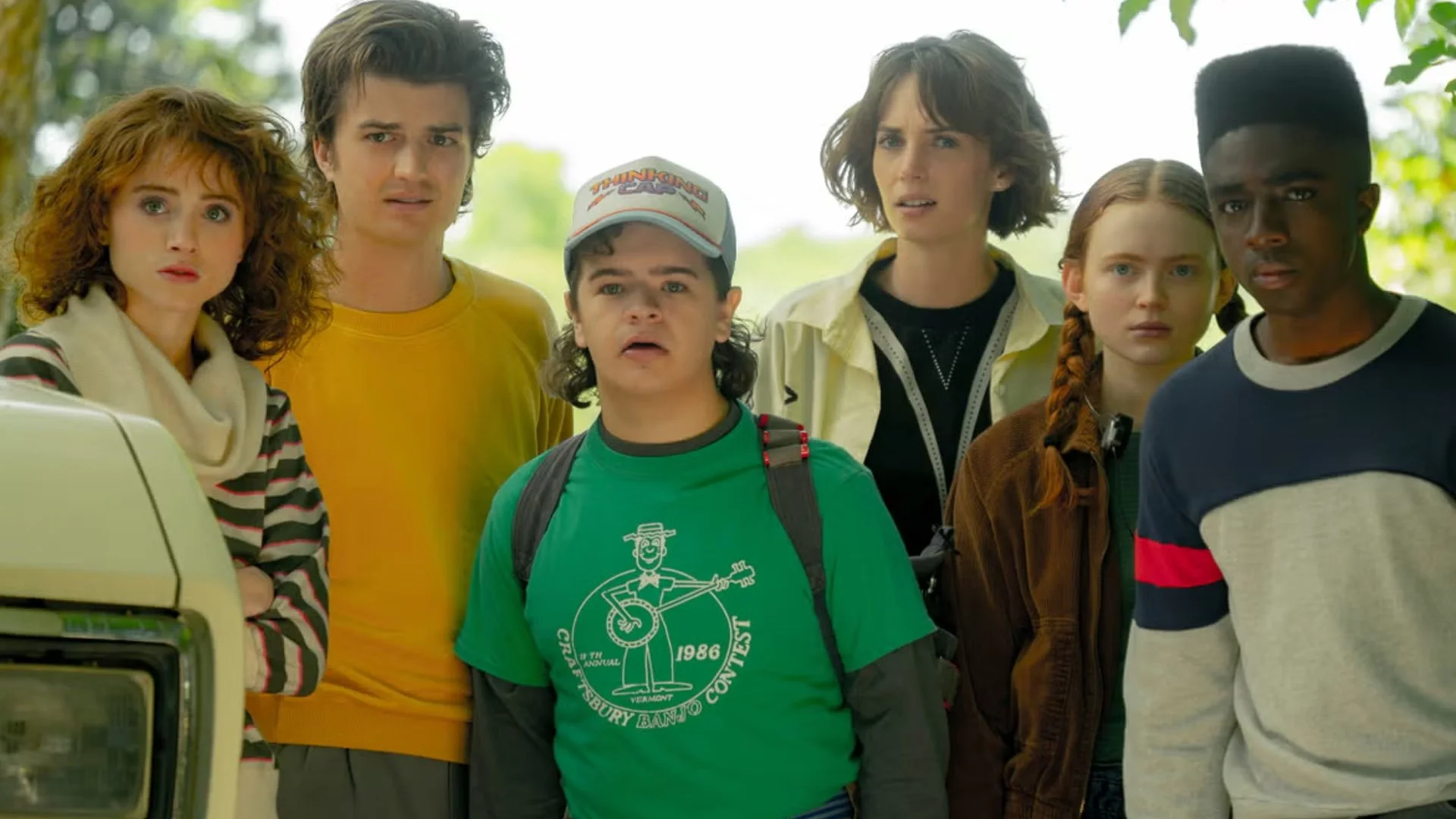
Modern TV has given us some incredible stories, but it has also created a growing problem that’s making it harder than ever for viewers to stay connected. Long gaps between seasons have become routine and the fallout is real.
Fans lose track of story threads, enthusiasm fades, and shows that cost massive amounts of money end up struggling to maintain cultural momentum. This isn’t just an inconvenience. It’s reshaping how we watch television and how these shows survive.
Popular series used to return like clockwork. A season aired, you waited a few months, and the next one arrived with familiar characters who still looked and sounded like they did before. That rhythm is largely gone now.
Nerdstalgic recently dug into the issue and highlighted how drastically the landscape has shifted. As they explained, “But today’s TV landscape looks completely different. Thanks to streaming platforms, Hollywood strikes, ballooning budgets, and an overwhelming amount of content, modern shows often take years to return.”
The delays stem from every direction. Productions stall due to budget concerns or behind the scenes changes. Strikes slow development. Cast members take on new projects. Child actors age out of roles faster than the story can keep up. Even when everything goes smoothly, the sheer scale of these shows requires a longer turnaround.
Streaming was supposed to make everything easier, but the binge model intensifies the gap between seasons. You can watch an entire story arc in a weekend, then wait years for the continuation. That imbalance doesn’t just test patience, it strains memory and emotional connection.
Nerdstalgic pointed to issue, noting that “Shows like Stranger Things, Severance, and True Detective all take multiple years to produce an 8 to 10 episode season, and when they do return most fans are left trying to remember what exactly happened last season.
“As an added frustration, this also means people are able to binge watch the full seasons immediately, so it’s very difficult for shows to leave a deep cultural impression. …Three years is just too long to wait in between seasons.”
Viewers simply don’t have the same lasting attachment when a series vanishes for years at a time. Even the biggest hits wrestle with this drop in cultural presence.
Long breaks don’t just affect the audience, they disrupt the stories. Characters change in ways the plot never intended. Actors move on or age up noticeably. Writers have to adjust storylines to fit the new reality. Some shows try to build time jumps into the narrative, while others pretend nothing has changed, but viewers can see the difference.
And then there’s the emotional disconnect. Investing in a story is easier when the world stays fresh in your mind. When years pass between chapters, even the most devoted fans feel the distance.
Audiences have proven they’ll wait for great content, but the current pattern isn’t sustainable. If studios want viewers to stay locked in, they need more consistent production schedules and strategies that honor the viewer’s investment.
Whether that means shorter seasons released more frequently or smarter episode drops, the solution starts with understanding the problem.
TV isn’t going away, but its relationship with viewers is changing fast. The long gaps between seasons are leaving cracks in even the strongest shows and it’s time for networks and streamers to rethink how they deliver these stories.